The best gamification tools to boost engagement anywhere
A practical guide to gamification tools and ideas for teams, volunteers, events, and more; including an honest look at four apps that let you gamify almost anything.
Feature comparison
| Feature | Zelos | Gametize | Pointagram | Loquiz |
|---|---|---|---|---|
| Free plan | ✓ | ✕ | ✕ | ✕ |
| Mobile app | ✓ | ✓ | ✓ | ✓ |
| Reward shop | ✕ | ✓ | ✓ | ✕ |
| Best for | Teams with tasks and shifts | Habit-building and community engagement | Teams with existing business tools | Outdoor and in-person activities |
Gamification is one of the most effective ways to encourage desired behaviors among team members, employees, volunteers, students, or clients. The benefits are well-known, and game elements now show up in all kinds of team activities in both personal and corporate settings.
What kinds of projects benefit from gamification?
Gamification works across a surprisingly wide range of contexts. Here are some of the most common ones where it makes a real difference.
Workshops and seminars
Workshops can use gamification to improve learning retention. A leadership workshop might have teams solve real-world case studies, earning points for each successful solution. The top team walks away with a prize and everyone leaves more engaged than they would have from a standard session.
Community engagement
Gamification gives community projects a sense of momentum. At a park clean-up, volunteers could earn points for collecting trash or planting trees, then use those points to vote on future improvement projects. That kind of ownership keeps people coming back.
Museums and exhibitions
Museums use gamification to make visits more interactive. An “Art Detective” game might have visitors solving puzzles based on paintings or sculptures, with clues leading them through the exhibition. Finishing the challenge could unlock a special tour or a discount at the gift shop.
Team building
Team building activities are a natural fit for gamification. An outdoor retreat might feature a “Survival Challenge” where groups work together to build a shelter or navigate a course. Each completed task earns points, and the shared effort helps build real trust.
Health and fitness challenges
Health organizations use gamification to encourage healthier habits. A community walk could become a “Step Quest,” where participants track steps and unlock rewards like water bottles or local discounts as they hit milestones. Fitness classes work similarly — virtual badges for completed workouts can drive consistent attendance.
Retail and events
Retailers and event organizers use gamification to create memorable experiences. A “Treasure Hunt” where customers scan hidden QR codes to unlock discounts turns a regular shopping trip into something worth talking about — and drives foot traffic in the process.
Tourism and travel
Guided tours become more engaging when there’s a game involved. A “Time Traveler’s Quest” in a historical city might have visitors solving riddles at landmarks, with each answer revealing the next location and a final reward at the end.
Gamification ideas for your team
- Mystery Missions: Assign secret missions to team members, each with a unique goal — like anonymously complimenting a colleague’s work. Completing missions earns points and encourages positive interactions.
- Survivor Challenge: Divide the team into groups and assign tasks related to their roles. The group with the most points wins a team day out or a special treat.
- Quest for Knowledge: Create a treasure map with clues that lead to hidden information around the office. Team members solve clues to learn about the company’s history, values, and milestones.
- Fantasy Office League: Adapt the fantasy sports concept to work tasks. Team members draft projects instead of players and earn points based on project outcomes, encouraging strategic thinking.
- Innovation Tournaments: Teams compete to develop the most creative ideas, then pitch their concepts to a panel. Points are awarded for creativity and feasibility.
- Time-Travel Team Building: Use themed challenges set in different eras or fictional worlds. Each completed challenge reveals a piece of a puzzle, with a surprise at the end.
- Emoji Feedback: Use emojis to gather quick feedback during meetings. Each emoji carries a point value, encouraging participation and keeping responses concise.
- Interactive Workshops: Turn training content into games using audience response tools or mobile apps. Quiz participants and award points for correct answers.
- Personal Development Quests: Assign quests tied to individual goals. Someone working on public speaking could earn points for contributing in meetings or giving presentations.
How to choose gamification software
There are many team gamification apps available. Some help you gamify everyday tasks at work; others are built for adventure challenges or community events.
Most tools are built for a specific context. Nitro, for example, is designed for corporate teams using Salesforce. Duolingo makes language learning competitive. But what if you want to gamify something else entirely? Here are four apps that give you the flexibility to gamify almost anything.
The best gamification tools for any project
Zelos
Zelos is a team gamification app that lets you build a task list for your team. Tasks can be simple challenges, deadline-based assignments, or scheduled shifts with a fixed timeframe.
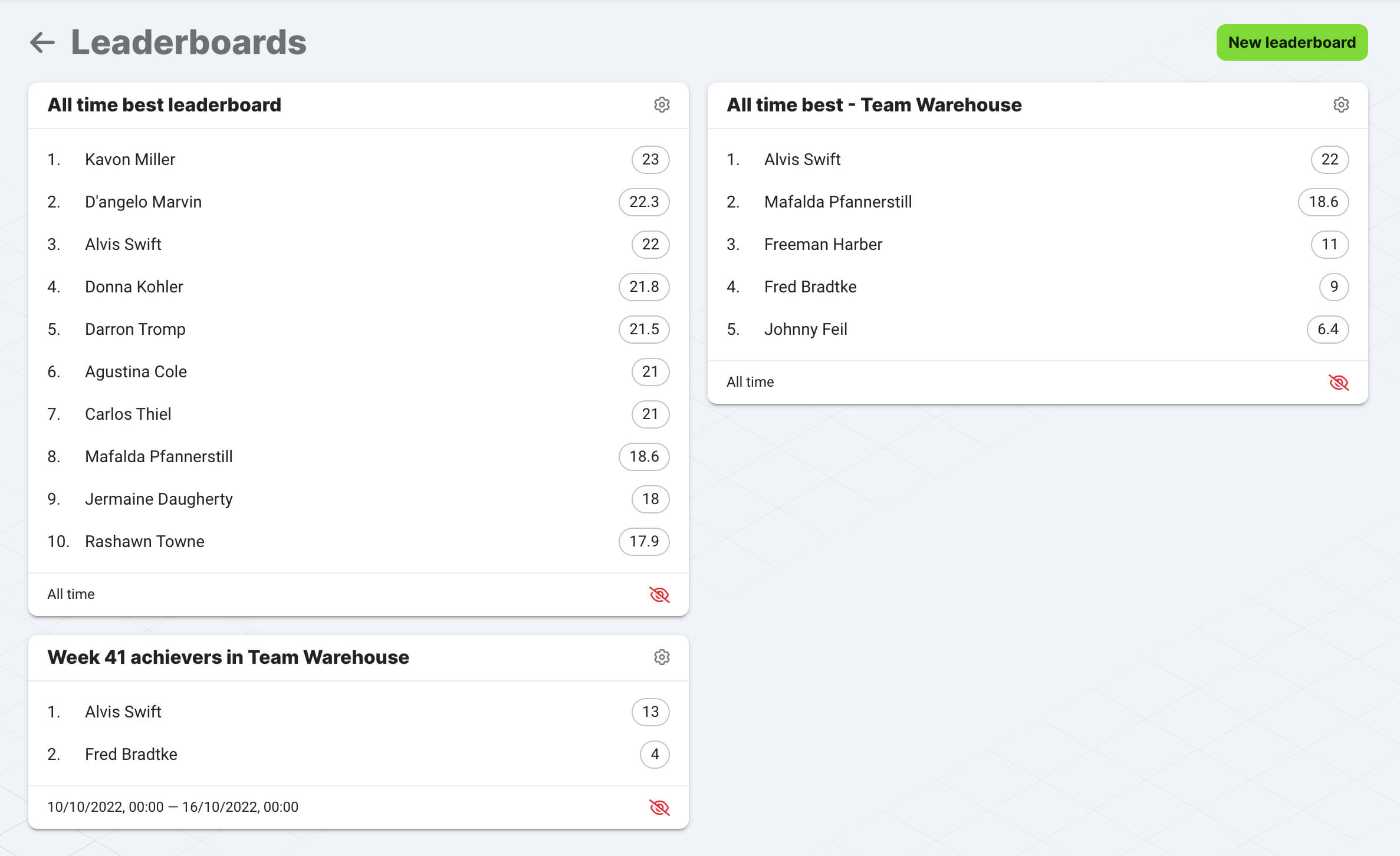
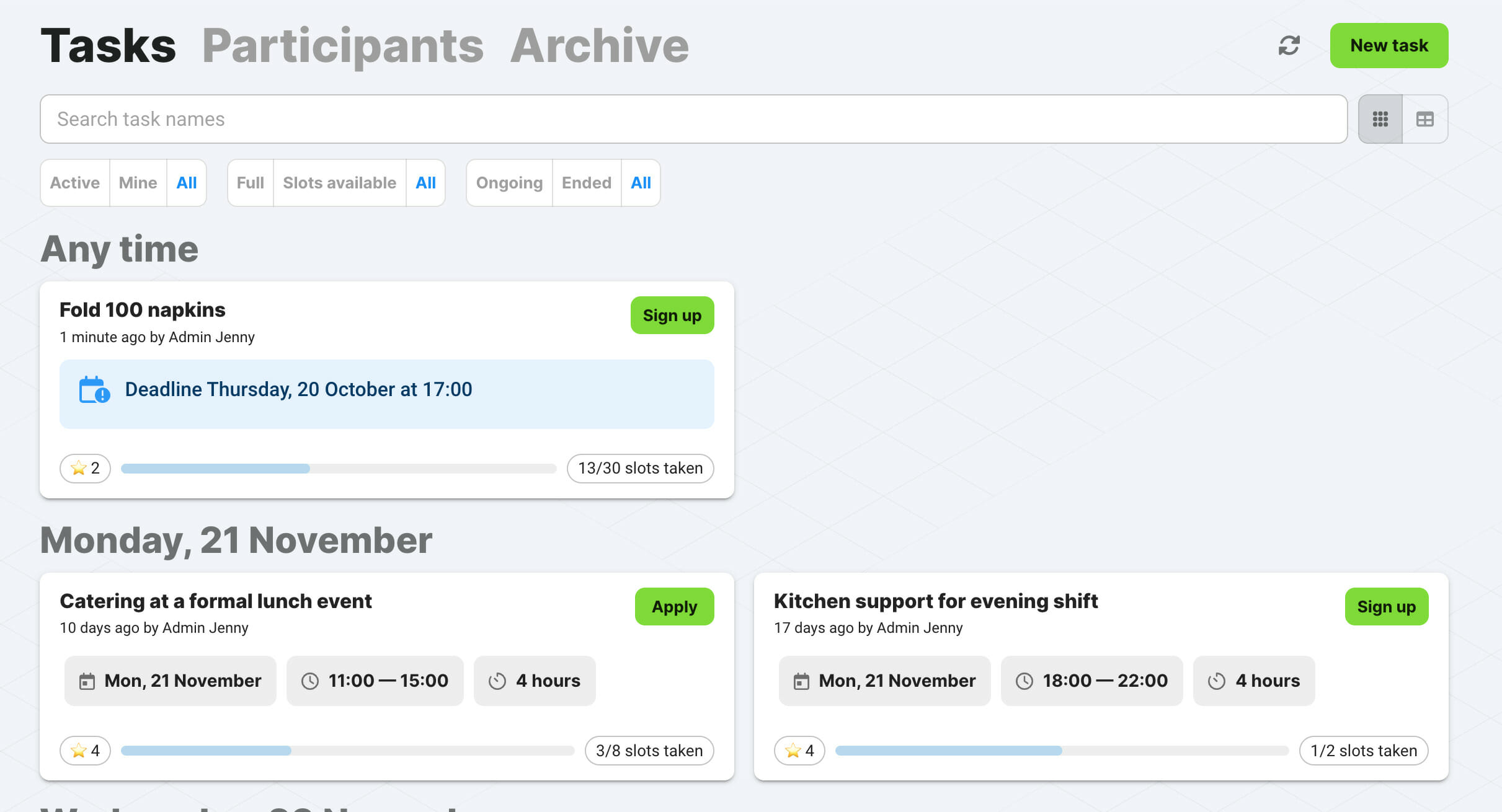 You can award points for each completed task or each hour worked, and display leaderboards across custom time periods. To keep things fair and give everyone a chance to win, you can run parallel competitions for different groups.
You can also rename points to fit your theme — hand out cookies, tokens, stars, or whatever makes sense for your game. 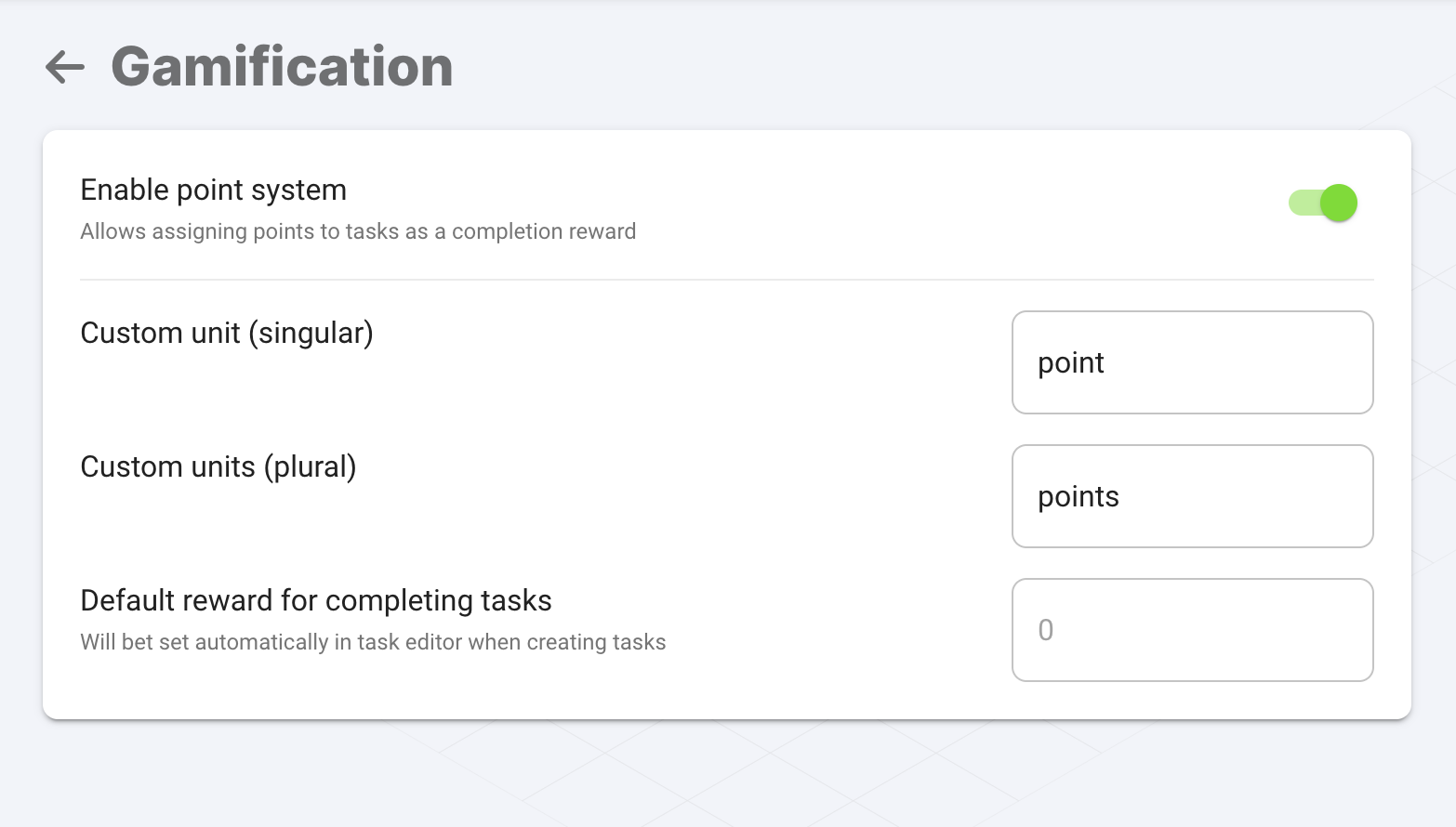
Zelos has a fully functional free plan, with paid options for advanced features. Larger projects can also get a custom-branded app.
Tasks and shifts can be given point values Leaderboards can be customised by groups and timeframes Zelos point settings let you come up with custom names and default amounts
Gametize
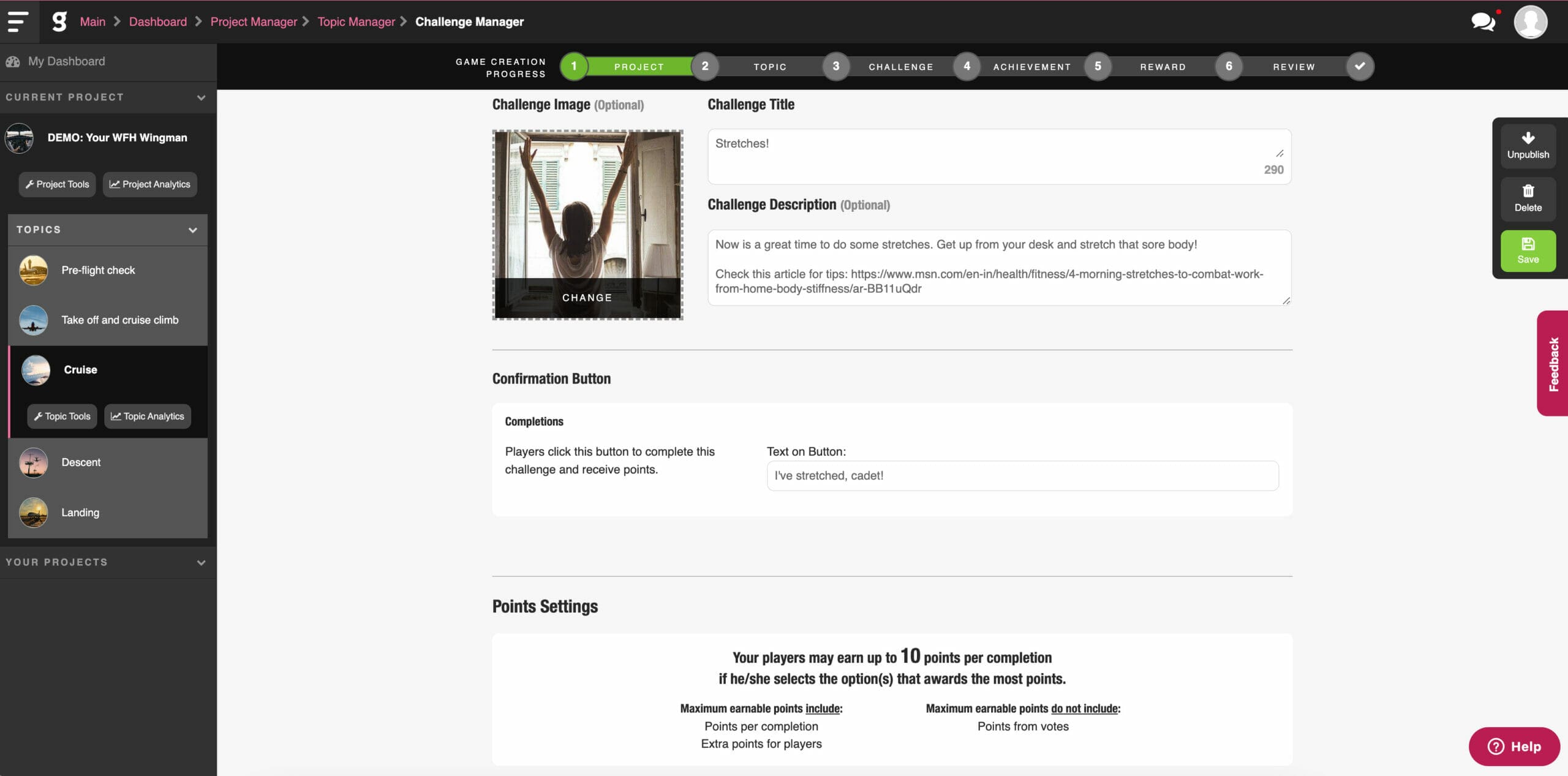
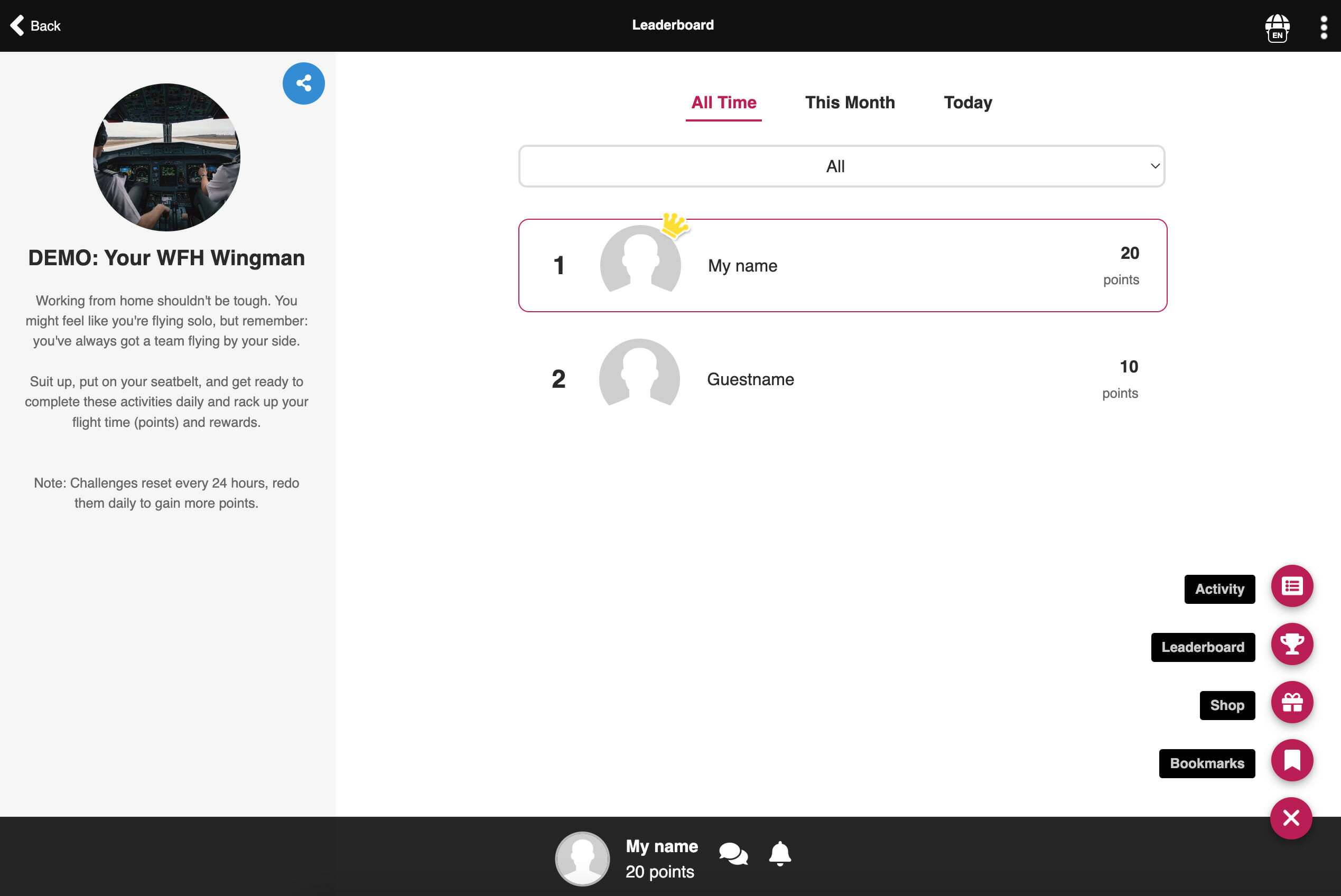
Gametize lets you create an online game experience for any audience — projects can be public or private. You can group multiple challenges under a single topic, award points and badges for completing steps, and set up a reward shop where players exchange points for real items.
 Gametize offers a wide selection of templates, making it easy to get started even if you’re short on inspiration.
 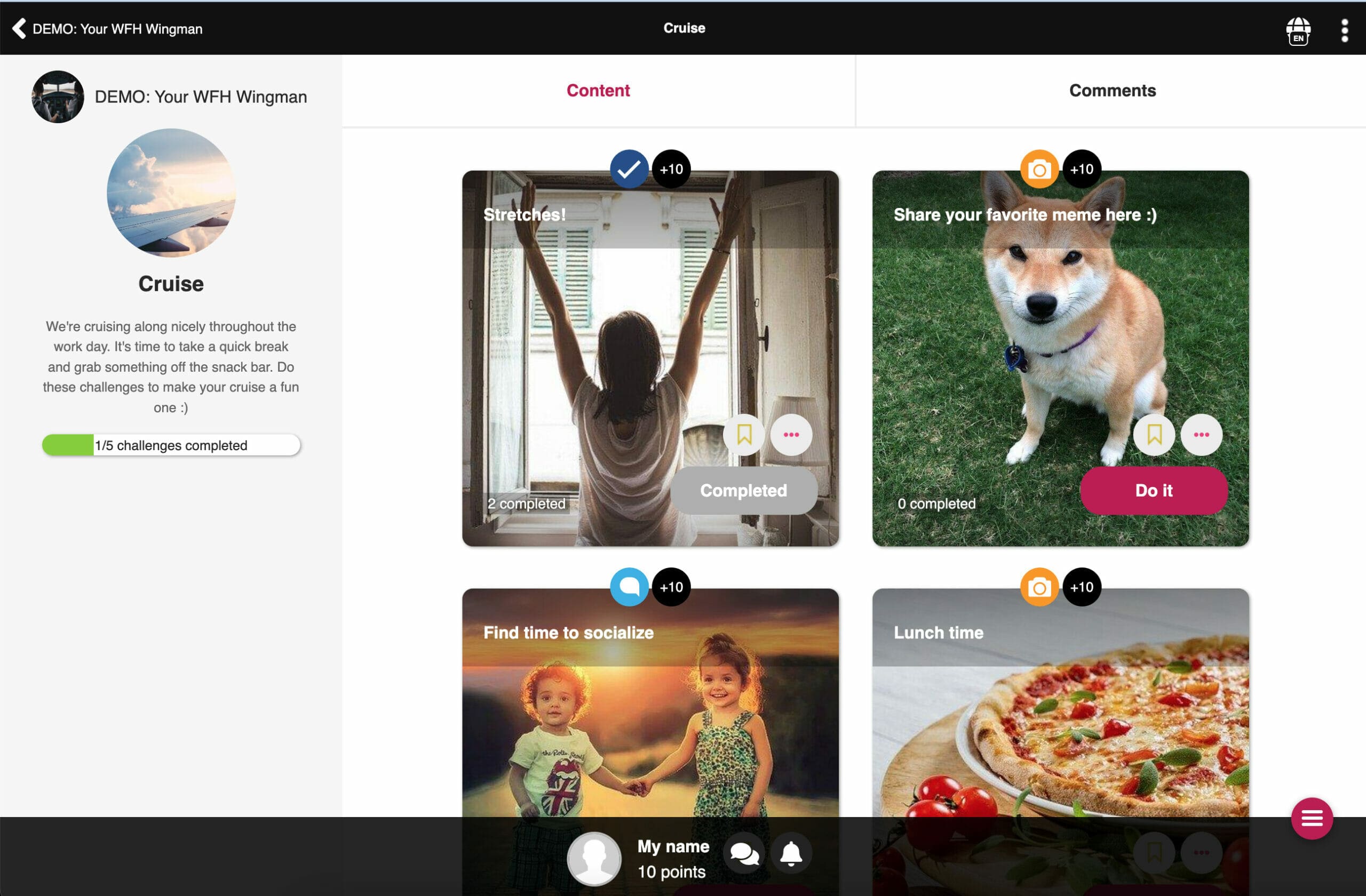 Challenges can also be completed more than once, which makes it well-suited for building recurring habits and routines.
 There’s a 7-day trial available. Pricing starts from $100 per month, with additional packages offering custom apps and enterprise support.
Gametize challenges can be completed once, or on a recurring basis. The task list for Gametize can easily be customised with images Projects have a single leaderboard, and points can be exchanged in a reward shop.
Pointagram
Pointagram supports one-time and recurring quests, with start and end times for each. You can ask team members to fill in forms or quizzes as part of a quest, and there are built-in integrations with Zapier and other business tools, so it connects easily to your existing setup.
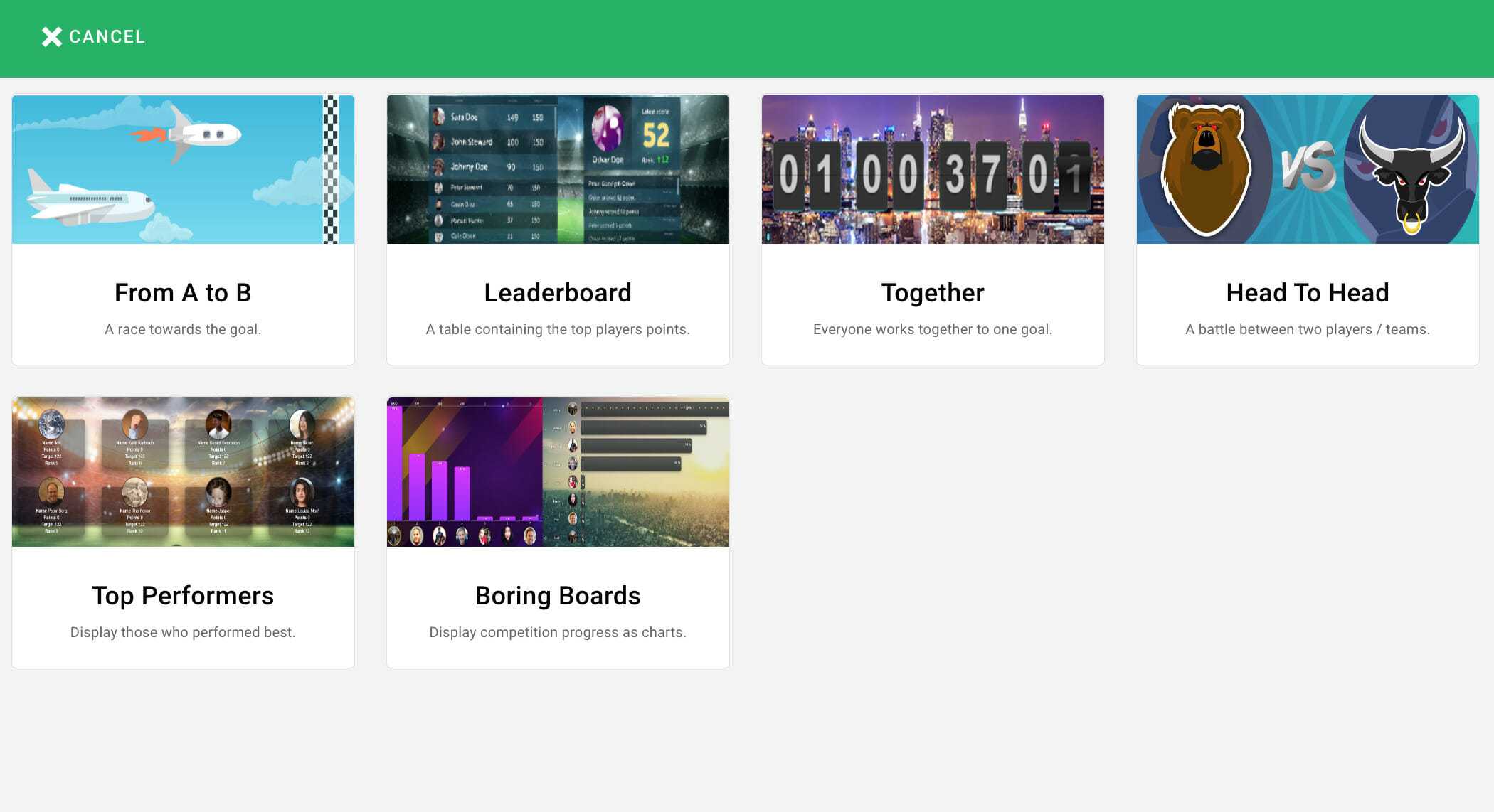
The leaderboards are versatile — you can display individual progress, collaborative progress, or both. There’s also a reward shop where players can exchange points for real items. Pricing starts from €4 per player, with an unlimited monthly plan also available.
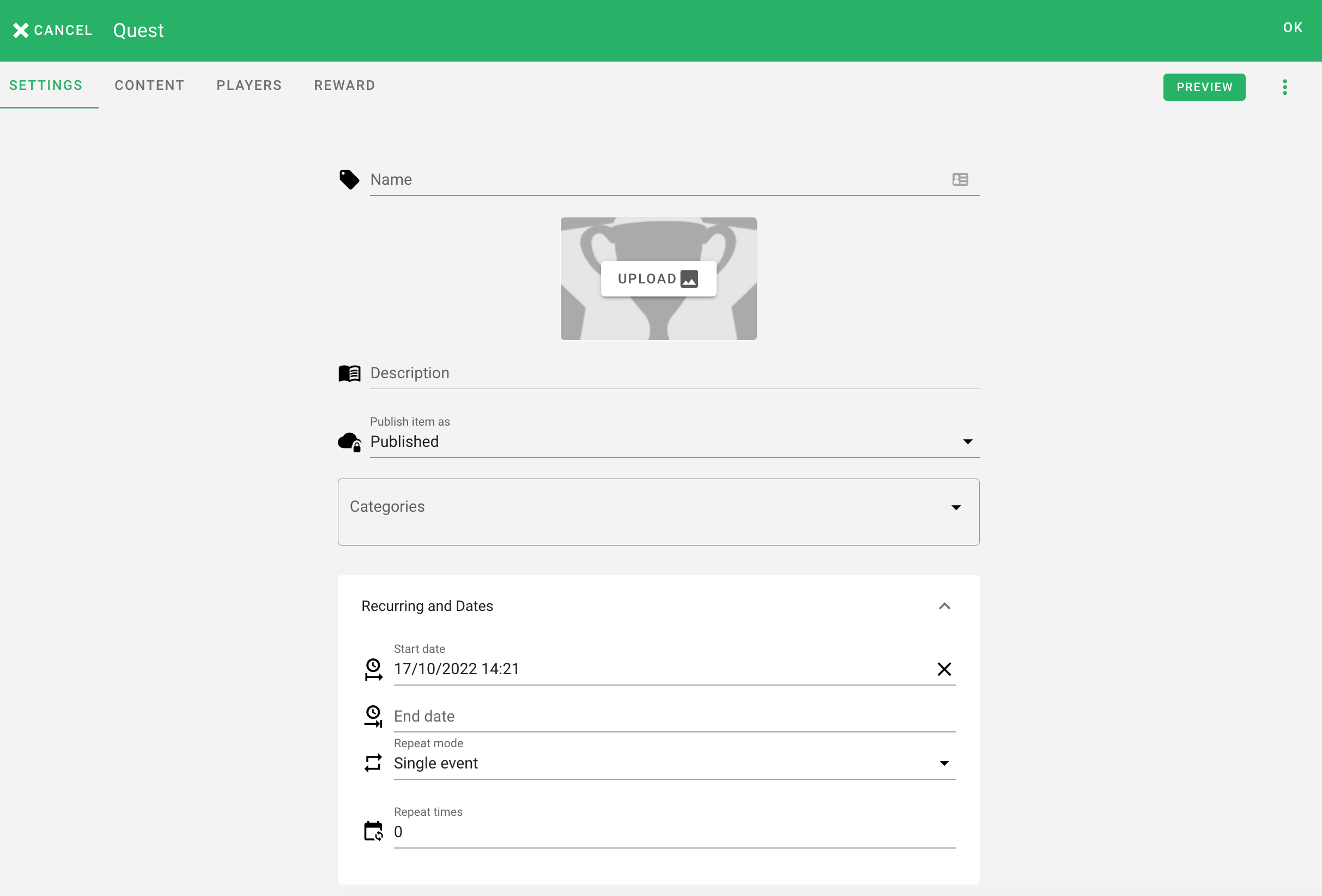
Pointagram quests can be one-time tasks, or recurring events. The variety of leaderboards makes Pointagram great for many types of projects.
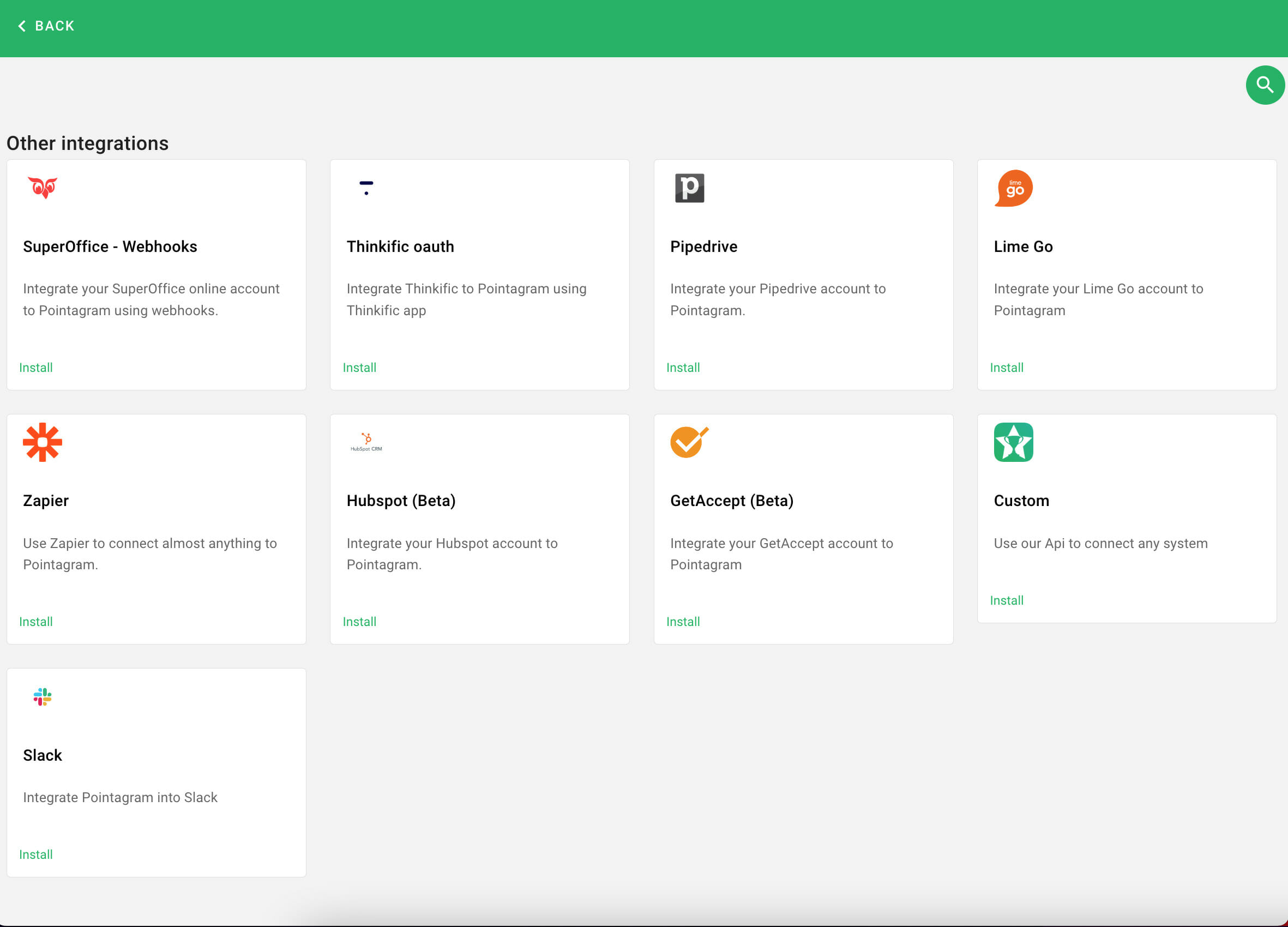
Pointagram integrates with many types of business software, and also Zapier.
Loquiz
Loquiz specializes in location-based gamification. Tasks and challenges are pinned on a map and can only be completed when a player is physically nearby. Team members answer questions or take photos to complete each challenge and earn points.
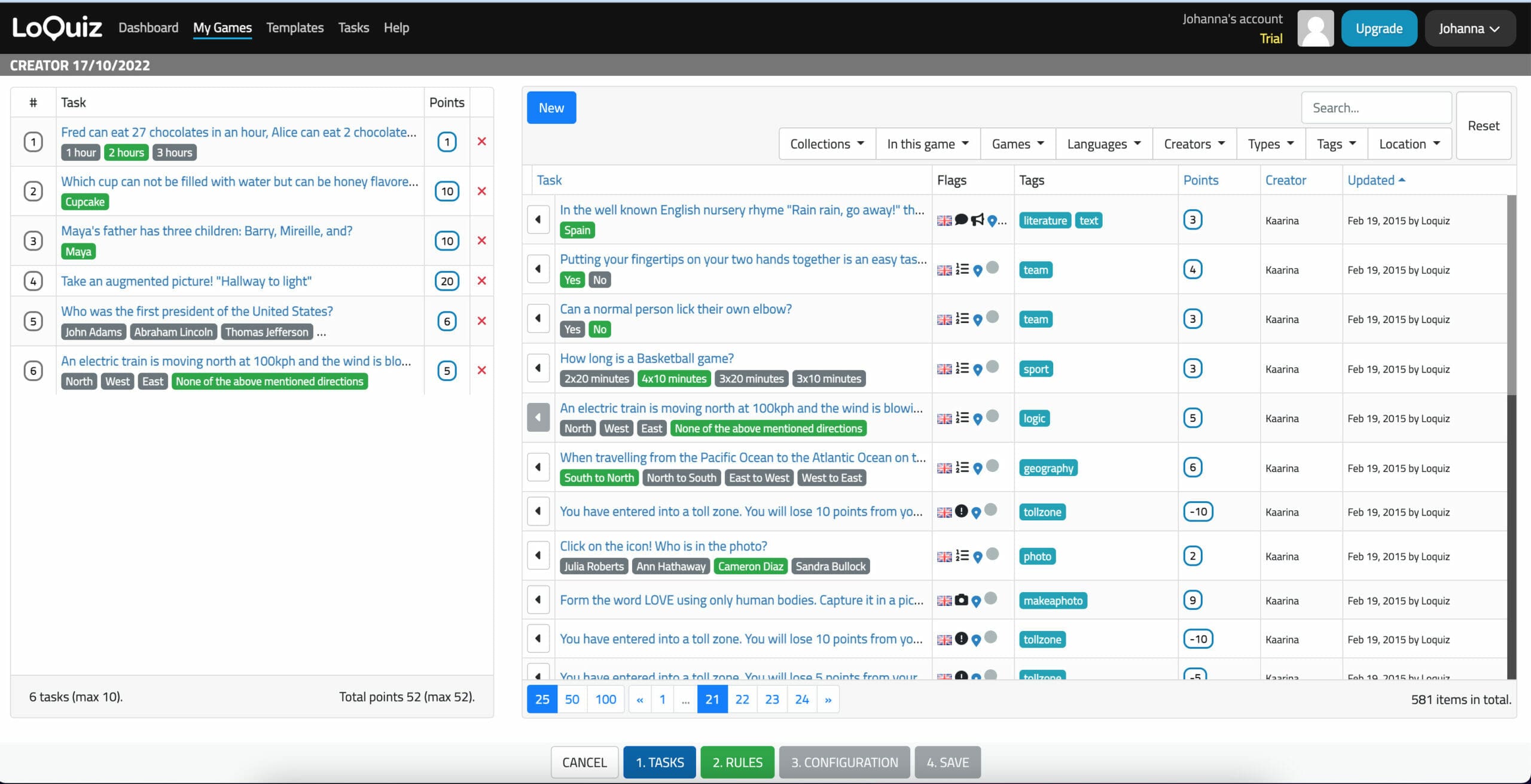
The game-building interface is straightforward, but it supports fairly complex logic — you can control the order tasks are completed in and create multiple paths through the experience. Loquiz starts with a two-week trial, then offers plans from €499 per month or a pay-per-active-player model.
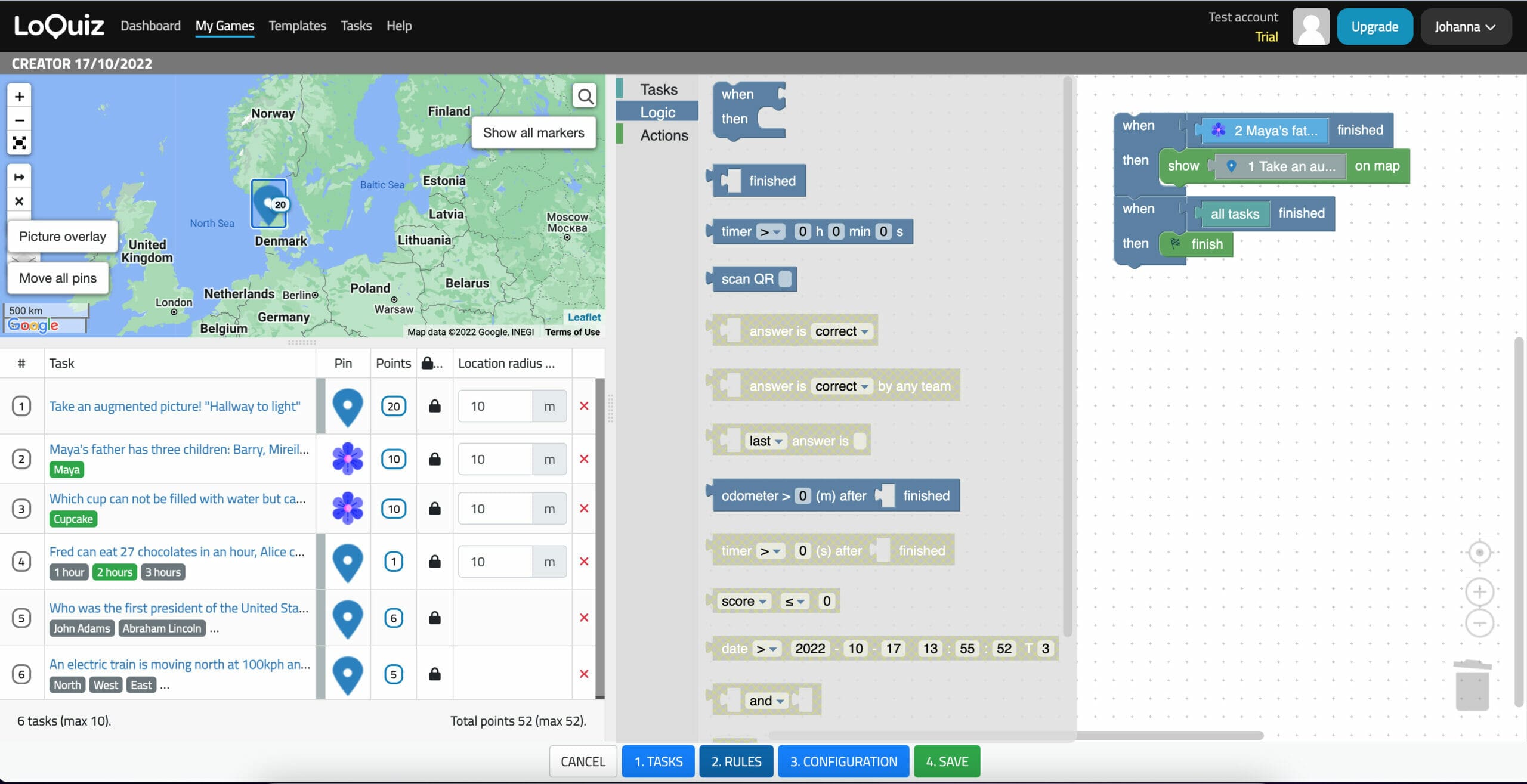 Loquiz comes with a lot of ready content and questions that can be used in your own locations. Placing tasks on the map is simple, but the logic panel lets you build complex rules about the game path.
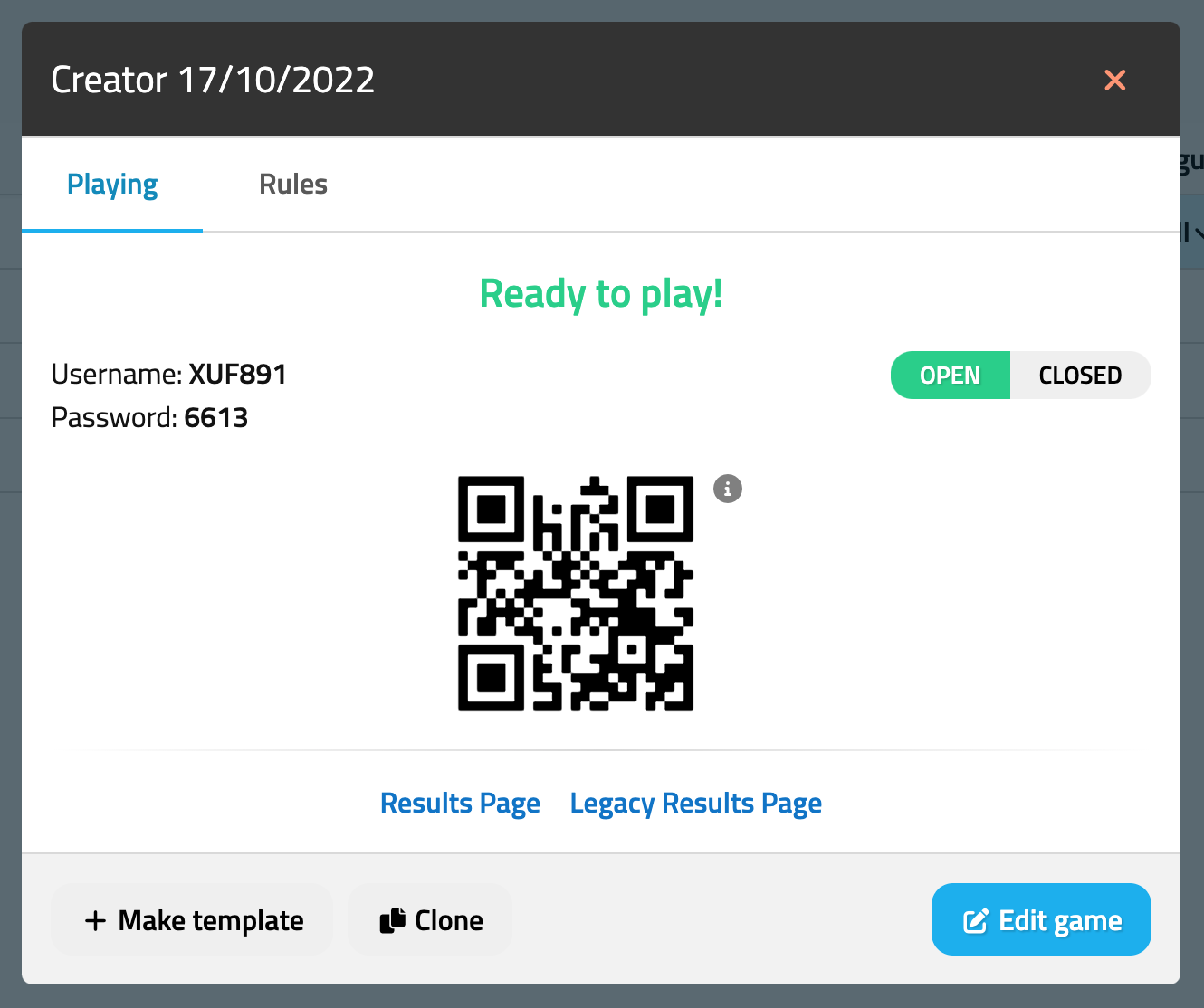 Players scan a QR code and then interact with the game through a mobile app.
Best practices for gamifying your team experience
- Start by defining your goals clearly. Be upfront about what the gamified experience is meant to achieve, and make sure your team understands the purpose before you begin.
- Tailor the experience to your team. Think about their preferences, interests, and skill levels — a well-designed game should feel engaging and achievable for the people actually playing it.
- Choose the right rewards. The best incentives are the ones your team actually cares about. Take time to understand how people want to be recognized for their efforts.
- Build in opportunities for collaboration. Designing moments for teamwork and social interaction helps bring people closer together, not just compete against each other.
- Keep competition healthy. A little friendly rivalry can be motivating, but an overly competitive environment can hurt morale. Find the balance that works for your team.
- Test before you launch. Pilot your gamification setup with a small group first, gather honest feedback, and use it to refine the experience before rolling it out more widely.